Eating Disorders in the Older Population: Underserved & Misunderstood
Historically, eating disorder research and treatments have primarily focused on younger populations. Often, older clients who were suffering were left behind, unable to find age-appropriate treatment and care. Clinicians can better serve their clients if they are sensitive to the unique challenges of treating older adults. Societal stigma and internalized ageism can exacerbate the challenges faced by older patients. For both genders, problematic beliefs and behaviors often began much earlier in life, yet menopause is clearly associated with increased vulnerability and potential relapse. Eating...Read more disorders can cause shame and self-criticism at any age, but older adults can face even more severe problems while suffering from what many consider to be a young person’s illness. In our presentation, we will also discuss the issues related to age of onset and treatment experiences. For those with severe and enduring eating disorders (SEED) and anorexia nervosa (SE-AN), past treatment experiences may have been incomplete, ineffective, or even traumatic, leading to significant shame and hopelessness. The presenters will share their professional experience which collectively encompasses 80+ years in the field of eating disorders. Participants will leave with useful tools to identify and work with older adulthood and their families. Providers must be adept at recognizing what can be helpful while being respectful of the older clients’ agency. Special treatment considerations, guided by recognition of the older client’s comorbidities, life experiences and social realities will be discussed. In some cases, harm reduction, rather than full recovery may be the goal. Skilled assessment and clinical judgment will be discussed to help participants understand and treat older clients in the future. Less...
Learning Objectives
- Utilize assessment and intervention tools to identify and treat eating disorders in older adults, in collaboration with their families and caregivers.
- Demonstrate strategies for respecting older adults’ autonomy and decision-making capacity while effectively addressing treatment needs.
- Explain specialized treatment considerations for eating disorders in older adulthood, informed by comorbid medical conditions, accumulated life experiences, and social and environmental realities.
Friday, March 06, 2026
10:00 AM EST - 12:00 PM EST
About the speakers
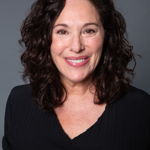
ILENE V. FISHMAN LCSW-R, ACSW, FAED

Kim McCallum MD, FAPA, CEDS
Agenda
10-10:15 IAEDP NY President Welcome and Introductions
10:15-11:30 Presentation
11:30-12 Q&A
CE Information - Earn 1.5 CE Credit Hours
CE Approvals
Joint Accreditation
Commission on Dietetic Registration
Physicians (ACCME) Credit Designation Statement
Nurses (ANCC) Credit Designation Statement
Interprofessional Continuing Education
American Psychological Association
Association of Social Work Boards
National Board for Certified Counselors
New York Education Department's State Board for Social Work
New York Education Department Board of Creative Arts Therapy
New York Education Department for Licensed Mental Health Counselors
New York Education Department Board for Licensed Psychoanalysts
New York State Education Department's State Board for Psychology
New York Education Department's State Board for Marriage and Family Therapy
CE Process Info
Before the event, you will receive an email from CE-Go with access to the virtual event. After the event, you will receive access to your evaluation and continuing education certificate via a personalized "attendee dashboard" link, hosted on the CE-Go website. This link and access to the virtual event will be sent to the email account you used to register for the event.
Upon accessing the CE-Go "attendee dashboard", you will be able to:
- Complete evaluation forms for the event
- Download your continuing education certificate in a PDF format
If you have any questions or concerns regarding the CE-Go platform, please contact CE-Go at 888-498-5578 or by email at support@ce-go.com Please Note: Emails for this event will come from "support@ceactivities.com".
If you have any continuing education related questions, please contact your event organizer.
Please make sure to check your spam/junk folder in case those emails get "stuck". We'd also suggest "Allowlisting" support@ceactivities.com. This tells your email client that you know this sender and trust them, which will keep emails from this contact at the top of your inbox and out of the junk folder.
Disclosure
DISCLOSURE OF RELEVANT FINANCIAL RELATIONSHIPSCE Learning Systems adheres to the ACCME’s Standards for Integrity and Independence in Accredited Continuing Medical Education. Any individuals in a position to control the content of a CE activity ― including faculty, planners, reviewers, or others ― are required to disclose all relevant financial relationships with ineligible entities (formerly known as commercial interests).
The following relevant financial relationships have been disclosed by this activity’s planners, faculty, and the reviewer:
PLANNERS AND REVIEWER
The planners of this activity have reported that they have no relevant financial relationships.
FACULTY
The faculty of this activity have reported that they have no relevant financial relationships.